About Us
At Basavatarakam Indo American Cancer Hospital & Research Institute, we believe that the best way to fight cancer is to stop it before it begins. With a vision of building a cancer-free future, our Cancer Prevention Program is dedicated to creating awareness, encouraging early detection, and promoting preventive healthcare.
🎯 Our Vision
We are committed to providing world-class cancer treatment with compassion and care at an affordable cost.
🎗️ Our Mission
To reduce the burden of cancer through awareness, education, vaccinations, lifestyle guidance, and early screening — empowering individuals to take control of their health.
Basavatarakam Cancer Prevention Center
What is Cancer?
Cancer is a complex and potentially life-threatening disease characterized by the uncontrolled division and growth of abnormal cells in the body. Unlike normal cells, which grow, divide, and die in a regulated manner, cancer cells evade this control, allowing them to proliferate uncontrollably, invade surrounding tissues, and often spread (metastasize) to distant organs. It can originate in virtually any part of the body and includes more than 100 distinct types, each with unique biological behaviors and treatment approaches. Cancer is driven by genetic mutations—either inherited or acquired—along with environmental, lifestyle, and immune system factors. Early detection, accurate diagnosis, and personalized treatment are crucial for improving survival rates and quality of life for patients.
Common Signs and Symptoms of Cancer
These warning signs don’t always mean cancer, but they should not be ignored. Early detection saves lives.
1. Unexplained Weight Loss
Losing 5–10 kg or more without trying
Common in stomach, pancreas, lung, or esophagus cancers
2. Persistent Fatigue
Feeling extremely tired and weak
Doesn’t improve with rest
3. Pain That Doesn't Go Away
Persistent pain in bones, back, or head
Can signal various cancers
4. Lumps or Swelling
New or changing lumps in breast, neck, testicles
May or may not be painful
5. Bowel or Bladder Changes
Constipation, diarrhea, or bleeding
Trouble or pain during urination
6. Unusual Bleeding/Discharge
Blood in stool, urine, or from coughing
Unusual vaginal or nipple discharge
7. Persistent Cough/Hoarseness
Lasts more than 3 weeks
May signal lung, throat, or thyroid cancer
8. Skin Changes or Moles
New mole or changes in size, shape, or color
Sores that don’t heal
9. Difficulty Swallowing
Feeling like food is stuck
Persistent heartburn or bloating
10. Fever or Infections
Frequent fever or infections
Especially in leukemia or lymphoma
Cancer Risk Factors
🧬
Genetics & Family History
Inherited gene mutations (e.g., BRCA1/BRCA2). Family history of cancer (especially at a young age).
🚬
Tobacco Use
Smoking or chewing tobacco increases risk of lung, throat, mouth, and other cancers.
🥩
Diet & Nutrition
High red/processed meat intake, low fruits & veggies, and excessive alcohol raise risk.
🧍♂️
Obesity & Inactivity
Obesity is linked to many cancers. Lack of physical activity increases risk further.
🌞
Sun Exposure
Prolonged UV exposure increases risk of skin cancers including melanoma.
☣️
Environmental Exposure
Radiation, asbestos, and chemicals like benzene can increase cancer risk.
🦠
Infections
HPV, Hepatitis B & C, and H. pylori infections are linked to specific cancers.
🎂
Age
Cancer risk increases with age due to cell damage and longer exposure to risks.
💊
Hormones & Drugs
Long-term hormone therapy and certain drugs (like immunosuppressants) can raise risk.
⚠️
Weakened Immunity
Conditions like HIV/AIDS or organ transplants that suppress immunity increase cancer risk.
Genetics & Family History
Inherited gene mutations (e.g., BRCA1/BRCA2). Family history of cancer (especially at a young age).
Tobacco Use
Smoking or chewing tobacco increases risk of lung, throat, mouth, and other cancers.
Diet & Nutrition
High red/processed meat intake, low fruits & veggies, and excessive alcohol raise risk.
Obesity & Inactivity
Obesity is linked to many cancers. Lack of physical activity increases risk further.
Sun Exposure
Prolonged UV exposure increases risk of skin cancers including melanoma.
Environmental Exposure
Radiation, asbestos, and chemicals like benzene can increase cancer risk.
Infections
HPV, Hepatitis B & C, and H. pylori infections are linked to specific cancers.
Age
Cancer risk increases with age due to cell damage and longer exposure to risks.
Hormones & Drugs
Long-term hormone therapy and certain drugs (like immunosuppressants) can raise risk.
Weakened Immunity
Conditions like HIV/AIDS or organ transplants that suppress immunity increase cancer risk.
What is Cancer Prevention ?
Cancer prevention means taking steps to lower the risk of developing cancer. It focuses on healthy lifestyle choices like eating nutritious foods, exercising regularly, keeping a healthy weight, avoiding tobacco, and limiting alcohol. It also includes medical measures such as vaccines (HPV, Hepatitis B), regular screenings (mammograms, Pap smears, colonoscopies), and reducing exposure to harmful chemicals or radiation. For people with a family history of cancer, genetic counseling can also help. By following these practices, the chances of developing cancer can be significantly reduced.
Why Cancer Prevention Matters ?
Cancer is one of the world’s biggest health challenges, but many cases can be prevented. Healthy habits, timely vaccinations, and regular screenings can stop nearly half of cancers before they start. Prevention not only lowers the risk of disease but also reduces the emotional, physical, and financial burden on families. Early detection makes treatment more effective, saving lives. At Basavatarakam Indo American Cancer Hospital & Research Institute, we believe prevention is the most powerful step toward a healthier, cancer-free future.
Cancer Prevention Tips
🚭
1. Avoid Tobacco
Quit smoking or chewing tobacco
Avoid secondhand smoke
Tobacco is the leading preventable cause of cancer
🥗
2. Eat a Healthy Diet
Include fruits, vegetables, whole grains
Limit processed foods, red meat, and sugar
Choose organic when possible
🍷
3. Limit Alcohol
Increases the risk of liver, breast, throat, and colon cancers
If you drink, do so in moderation
🧍♂️
4. Maintain Healthy Weight
Obesity is linked to many cancers (breast, colon, kidney)
Balanced diet + physical activity = key
🏃
5. Be Physically Active
At least 30 minutes of activity most days
Walking, yoga, swimming, cycling — all help
🌞
6. Protect from Sun
Use SPF 30+ sunscreen
Wear a hat and sunglasses
Avoid tanning beds
💉
7. Get Vaccinated
HPV vaccine — cervical & throat cancer
Hepatitis B vaccine — liver cancer
🧪
8. Screenings & Checkups
Mammograms, Pap tests, colonoscopy
Early detection saves lives
⚠️
9. Avoid Risky Behavior
Practice safe sex (HPV, Hepatitis B)
Never share needles
🧬
10. Know Family History
Inform your doctor if cancer runs in the family
Consider genetic counseling

1. Avoid Tobacco
Quit smoking or chewing tobacco
Avoid secondhand smoke
Tobacco is the leading preventable cause of cancer
2. Eat a Healthy Diet
Include fruits, vegetables, whole grains
Limit processed foods, red meat, and sugar
Choose organic when possible
3. Limit Alcohol
Increases the risk of liver, breast, throat, and colon cancers
If you drink, do so in moderation
4. Maintain Healthy Weight
Obesity is linked to many cancers (breast, colon, kidney)
Balanced diet + physical activity = key
5. Be Physically Active
At least 30 minutes of activity most days
Walking, yoga, swimming, cycling — all help
6. Protect from Sun
Use SPF 30+ sunscreen
Wear a hat and sunglasses
Avoid tanning beds
7. Get Vaccinated
HPV vaccine — cervical & throat cancer
Hepatitis B vaccine — liver cancer
8. Screenings & Checkups
Mammograms, Pap tests, colonoscopy
Early detection saves lives
9. Avoid Risky Behavior
Practice safe sex (HPV, Hepatitis B)
Never share needles
10. Know Family History
Inform your doctor if cancer runs in the family
Consider genetic counseling
Did you know?
Cancer can be cured if detected in its early stage.
What is cancer screening?
It is a simple medical test that helps detect cancer at an early stage, even when there are no visible symptoms.
Why screening is important:
- Cancer is easier to treat when detected at an early stage.
- There is a higher chance of complete recovery.
- It leads to an improved quality of life.
- It’s a smart step to protect your health in advance!
Who should definitely attend?
- Women over 30 years of age
- Individuals who use tobacco or consume alcohol
- Those with a family history of cancer
- Anyone experiencing suspicious symptoms in the body
What We Offer at the Prevention Centre ?
Comprehensive Cancer Risk Assessments
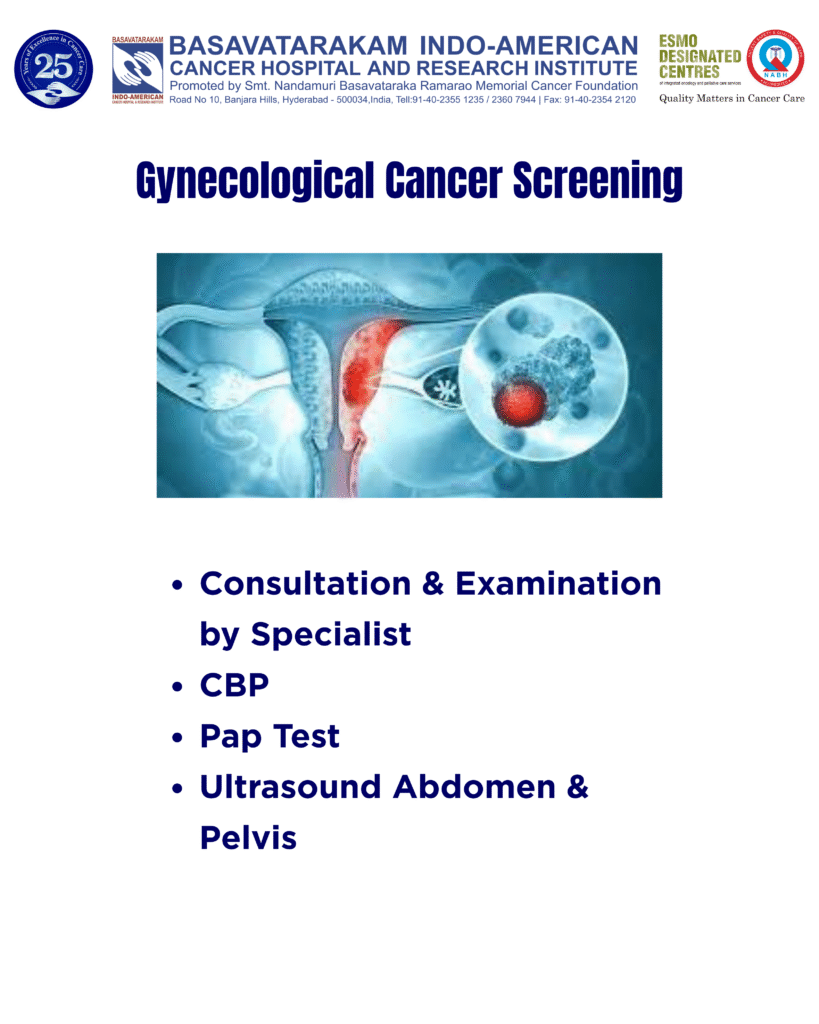
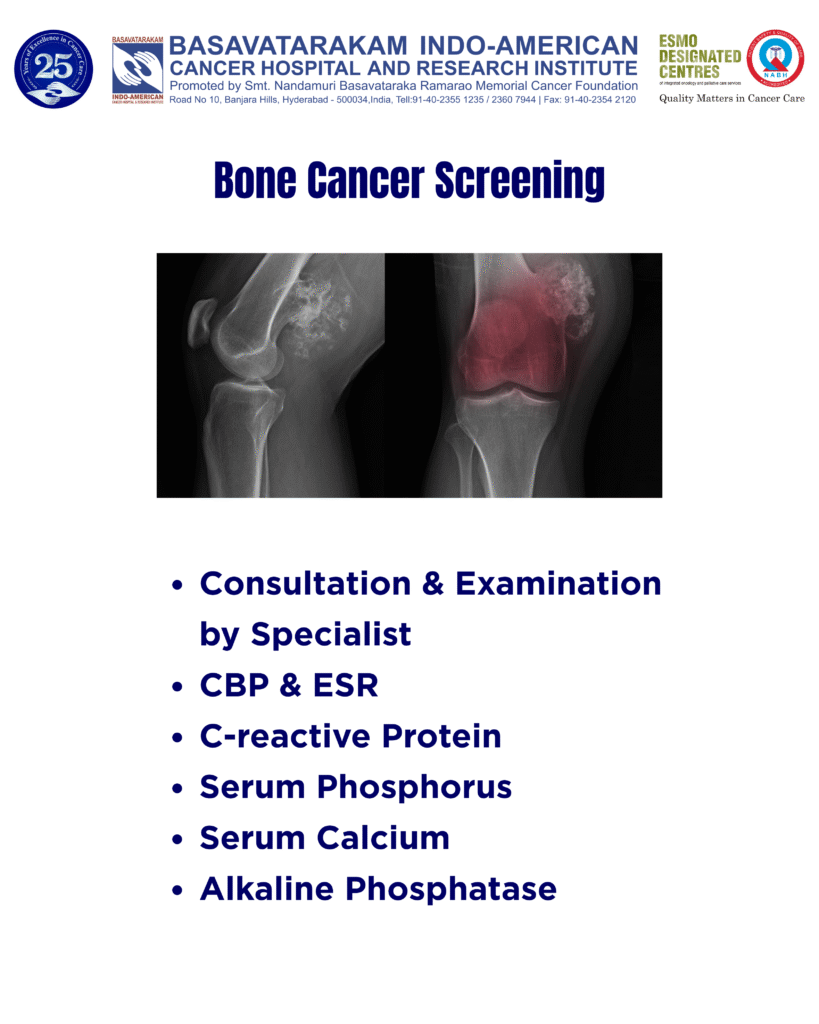
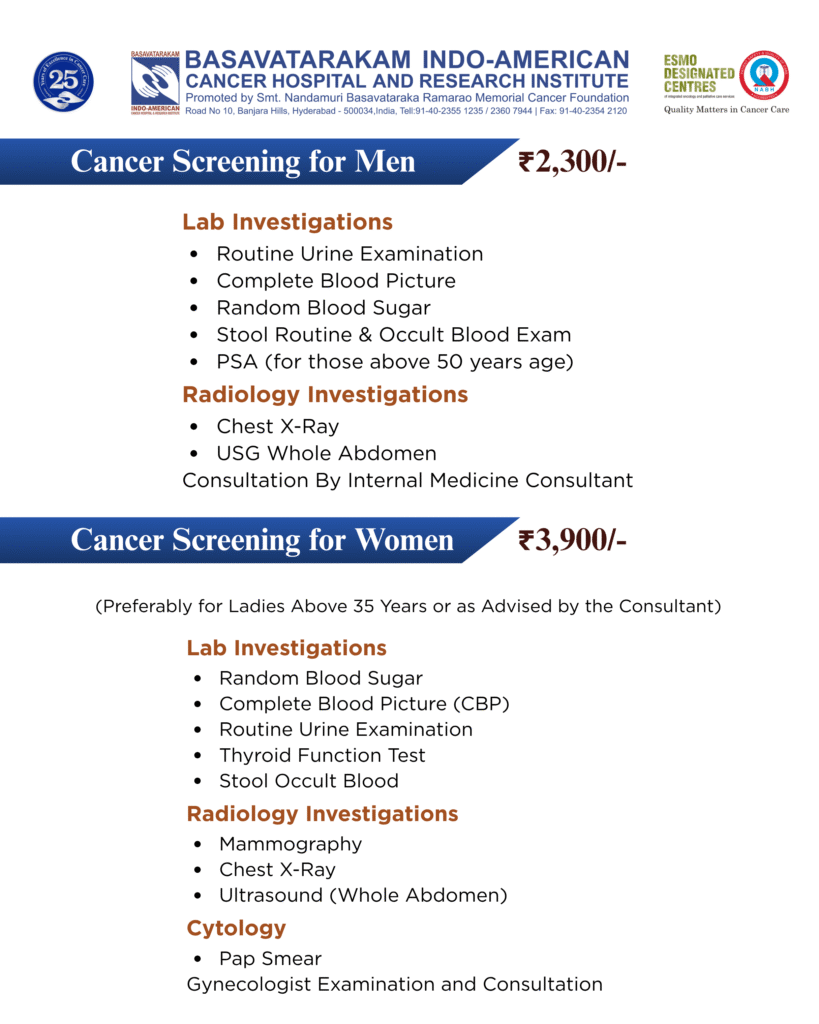
Organ-Specific Screening Programs
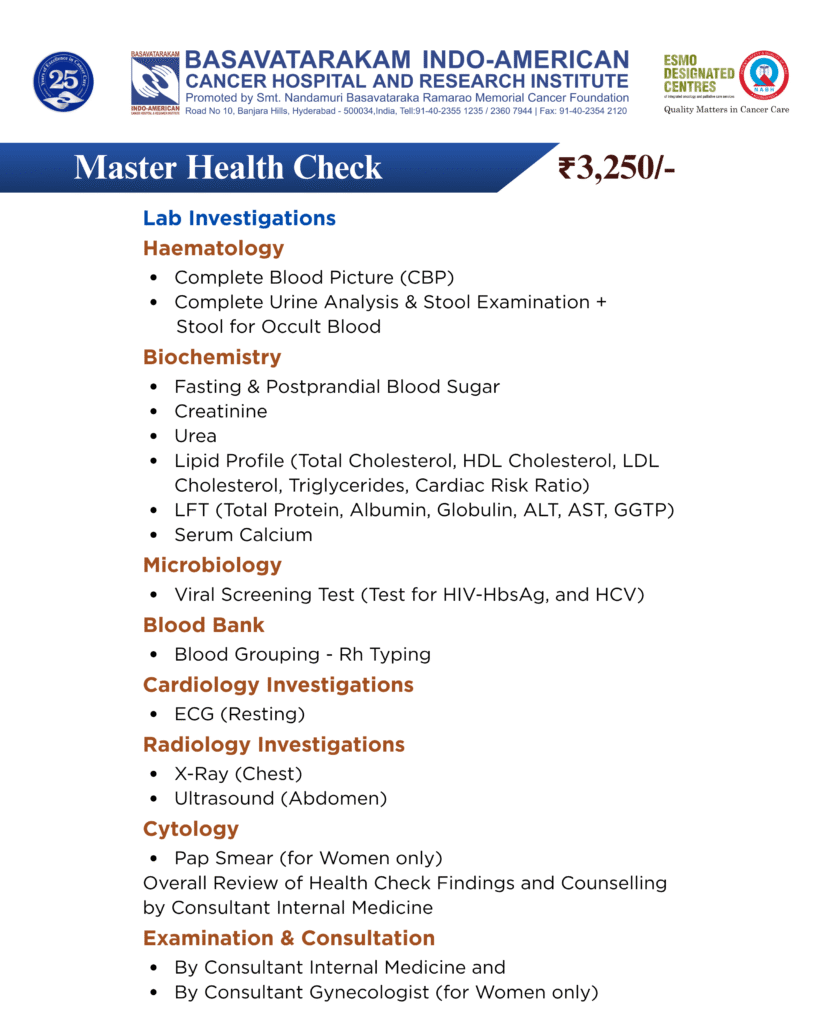
Health Check Packages
HPV Vaccination & Tobacco Cessation Counseling
Awareness & Education Programs
Lifestyle & Nutrition Counseling
We offer evidence based cancer screening
On the Occasion of 25 Years of our Service in Cancer Care
We Offer 25% Discount on all Cancer Screening Packages
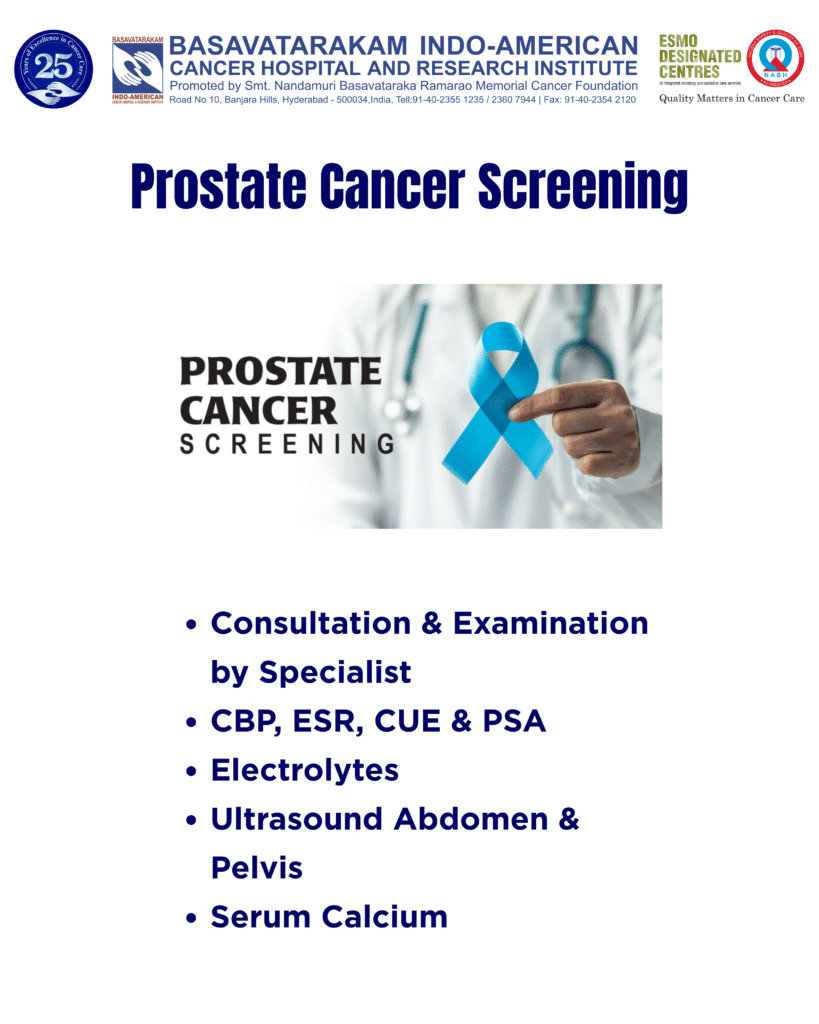
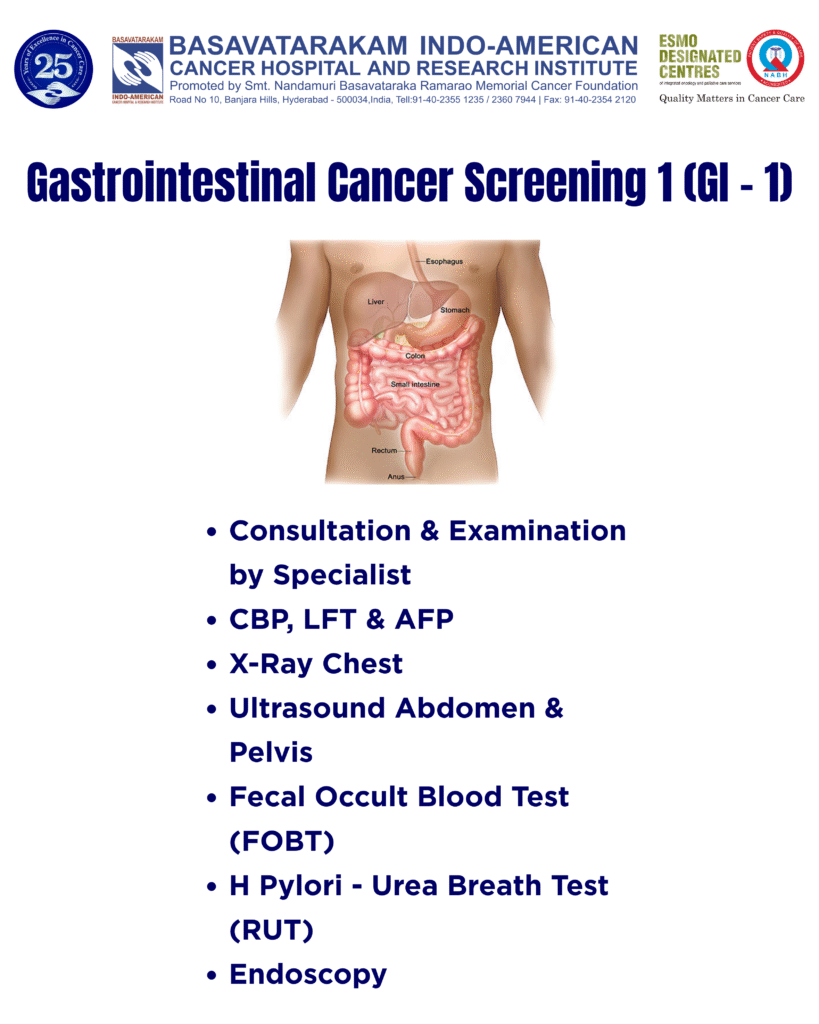
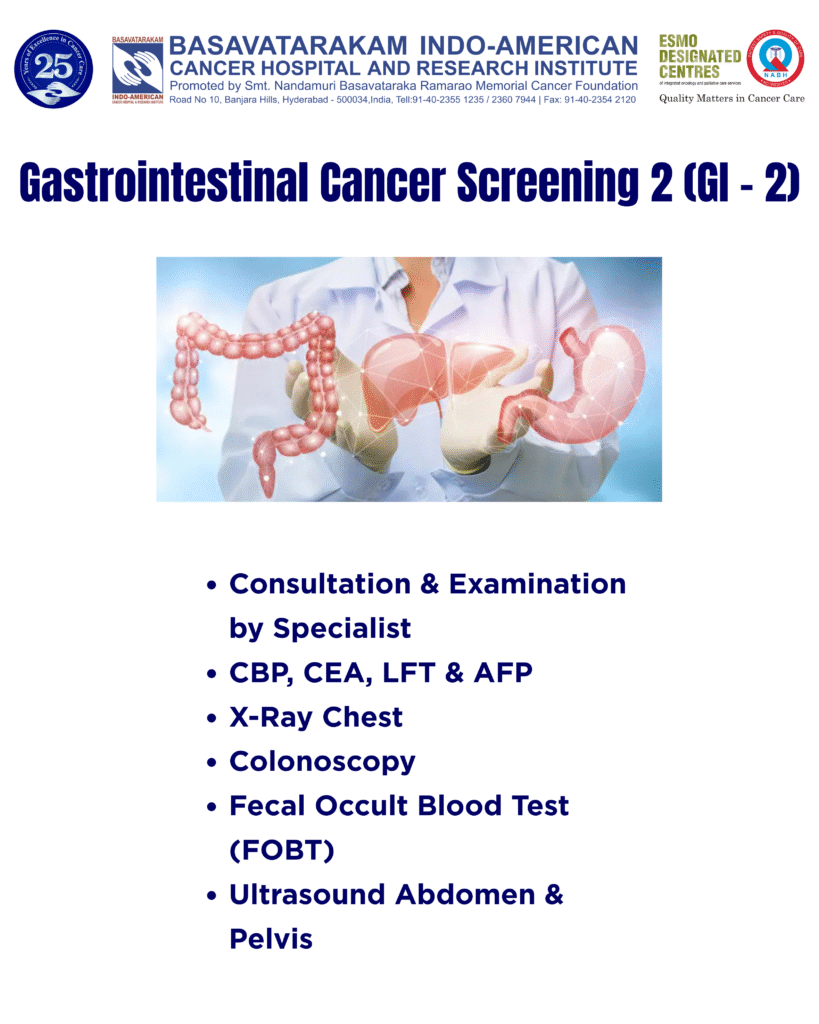
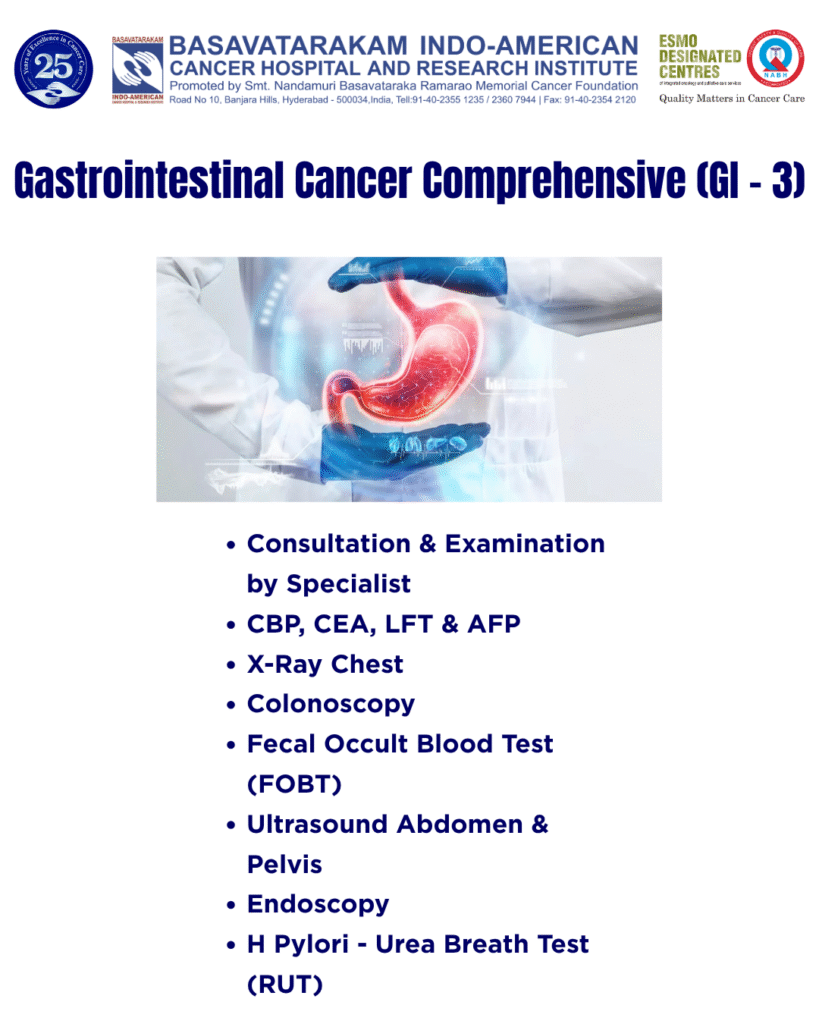
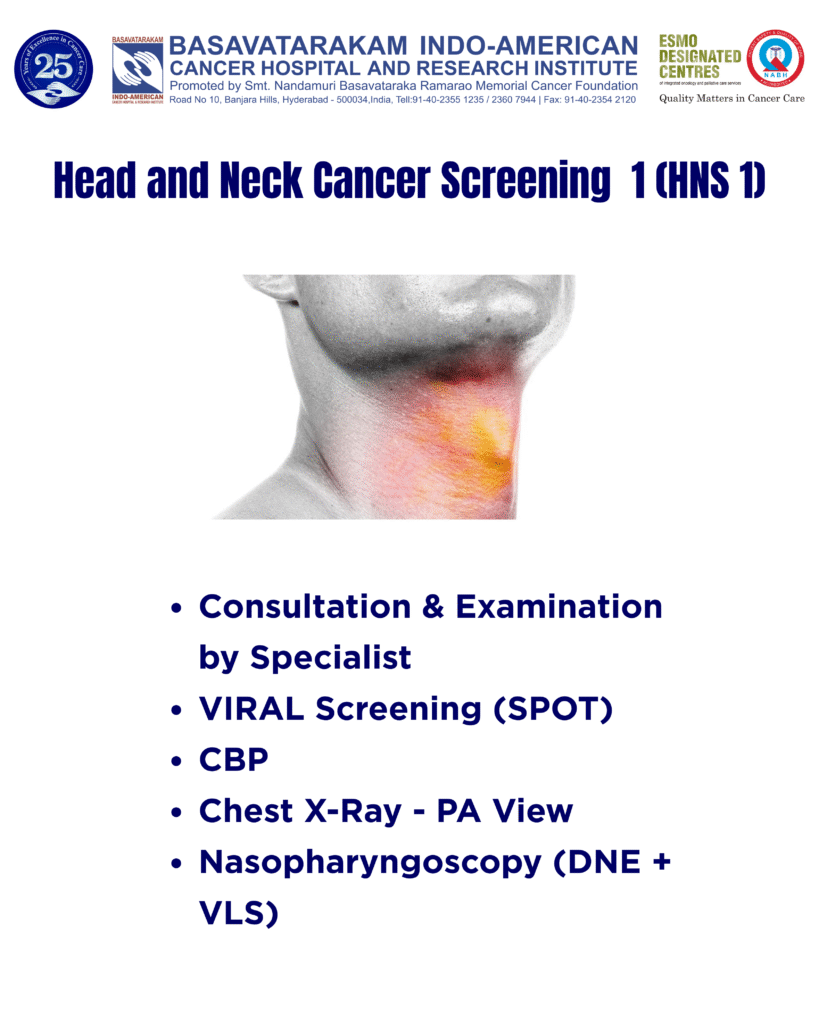
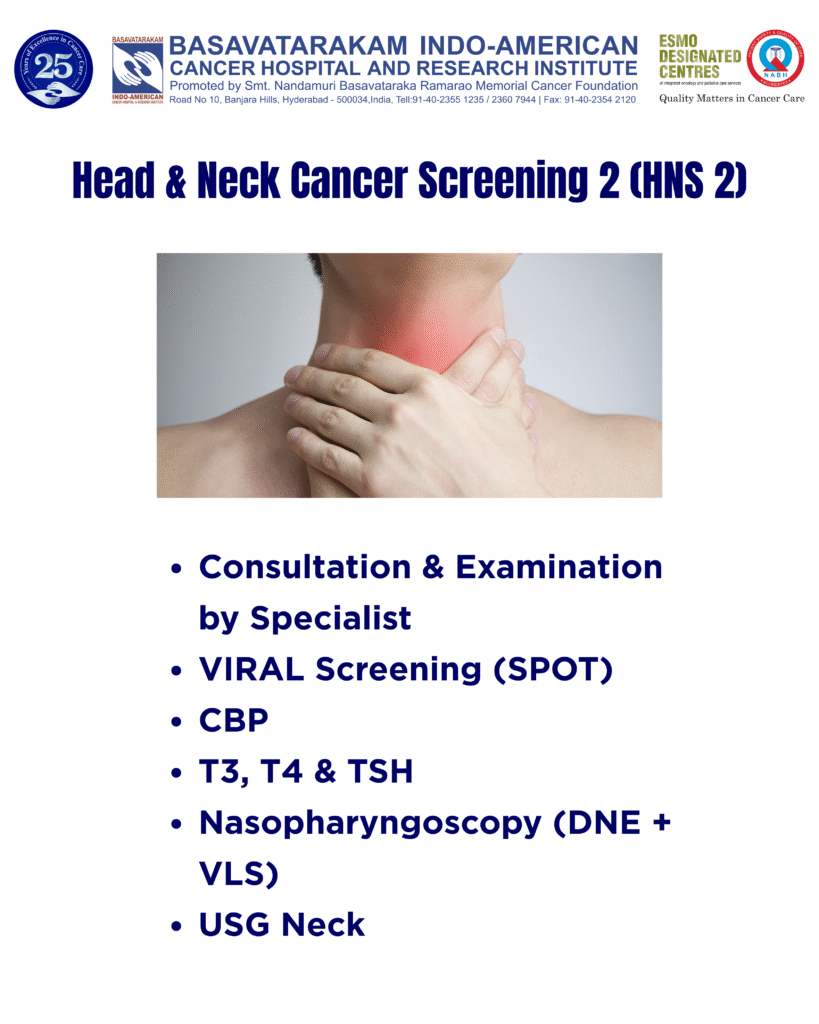
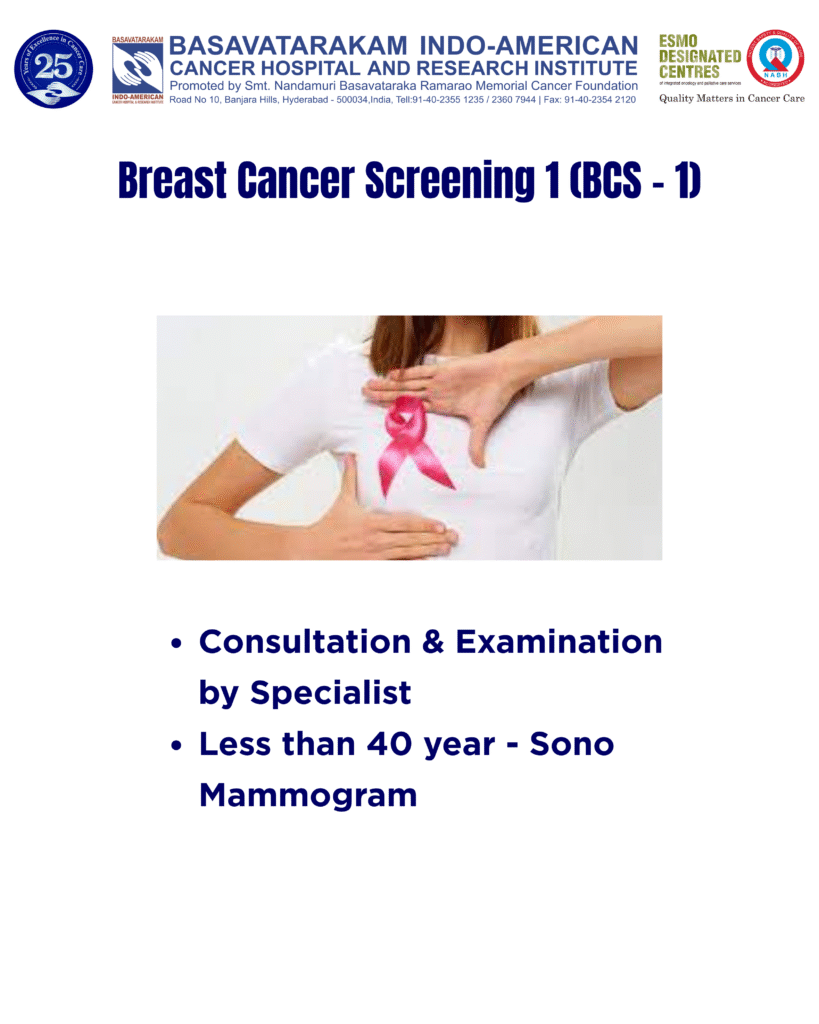
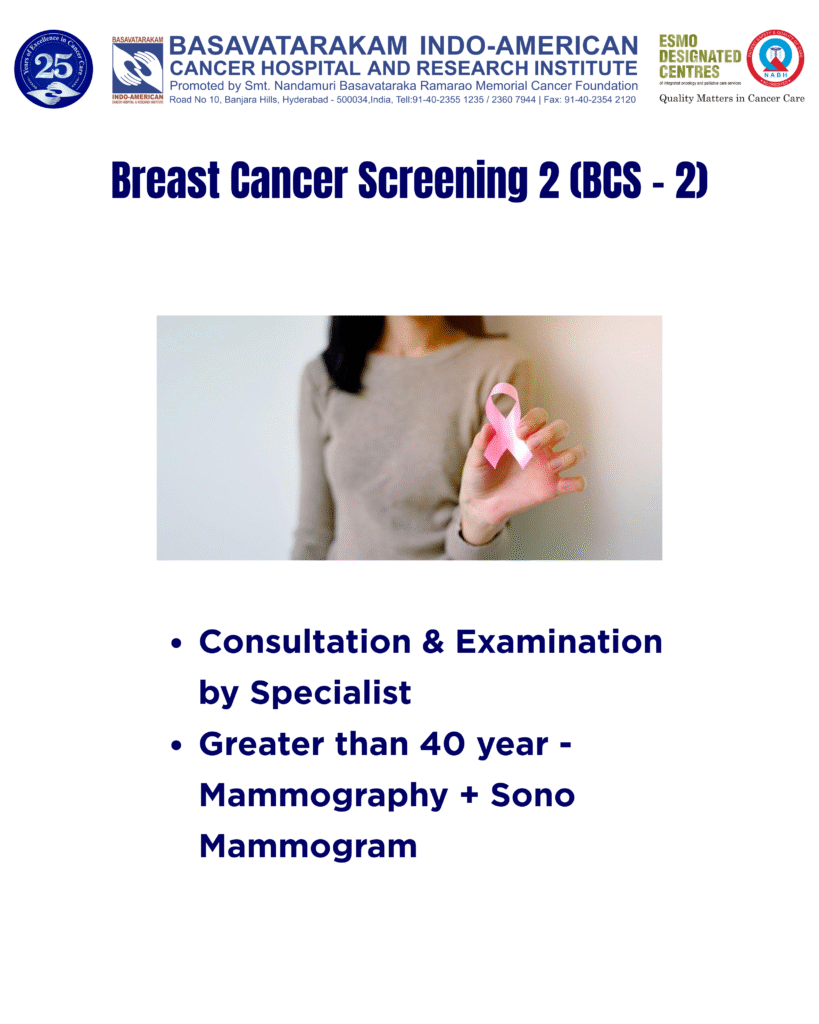
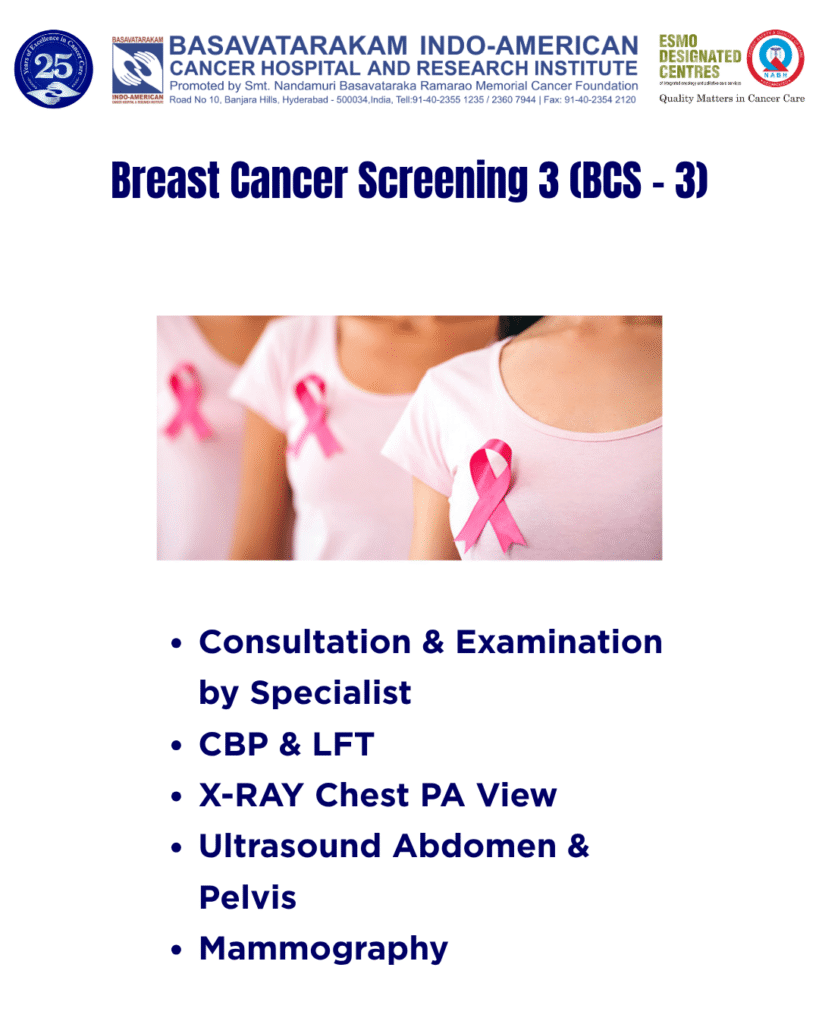
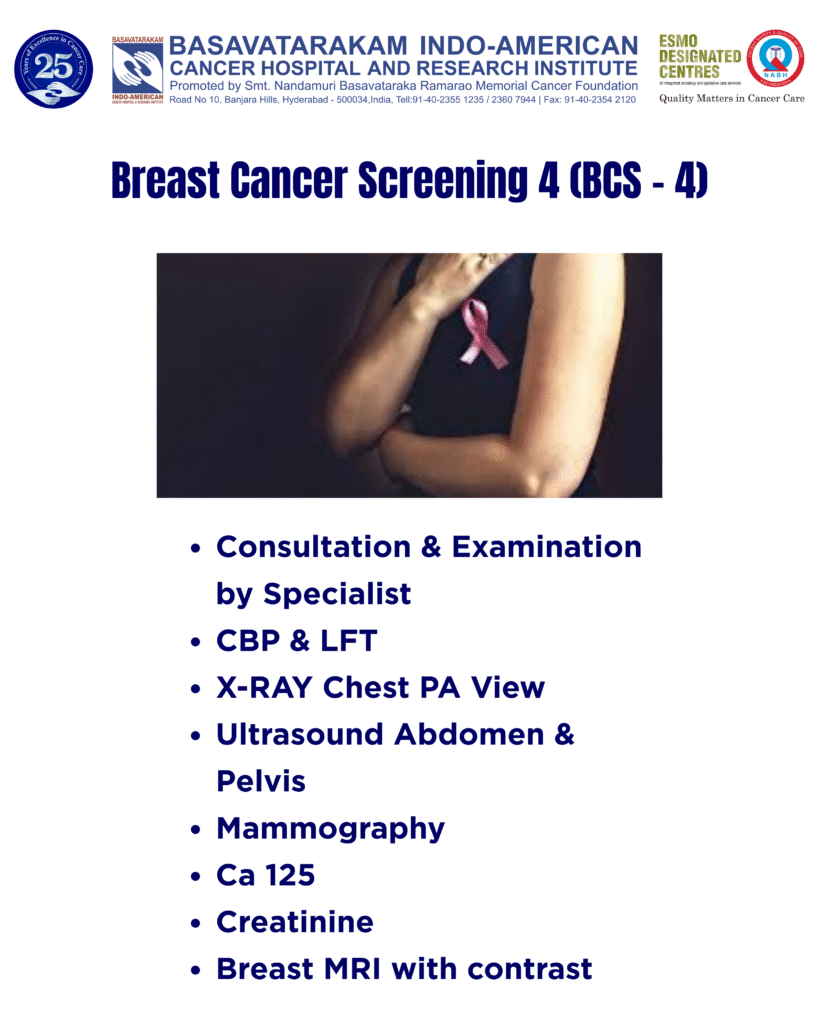
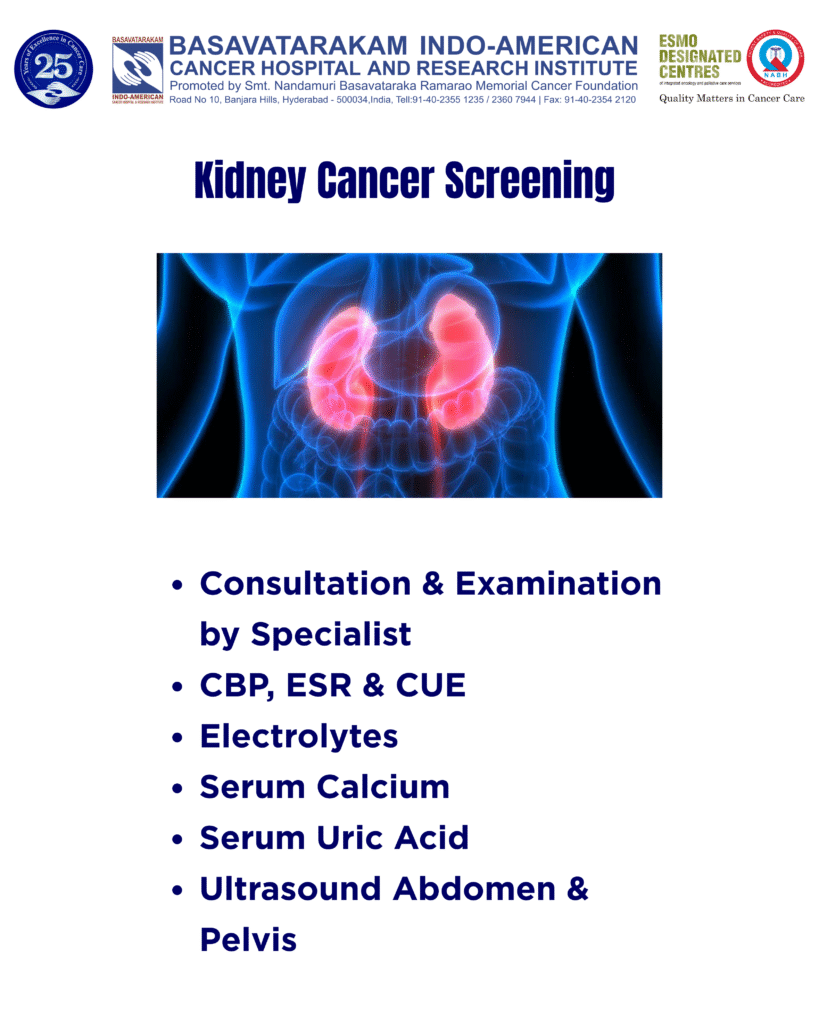
Cancer Screening Tests
Additional Tests May be Recommended by Consulting Physician as per Need